St Hugh's Dental Care
133 Birchwood Ave
Birchwood, Lincoln LN6 0JE
133 Birchwood Ave
Birchwood, Lincoln LN6 0JE

Periodontics is a branch of dentistry that deals specifically with conditions affecting the gums and soft tissues that support your teeth. They treat periodontal disease (an advanced form of gum disease) and other inflammations of the mouth.
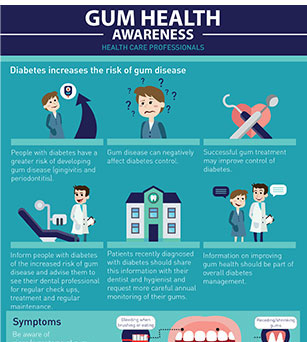
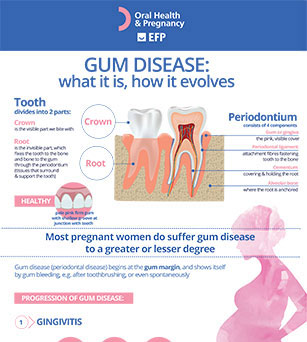
Gum disease begins as gingivitis, with common signs including blood on the toothbrush when you brush your teeth. You should contact your dentist immediately if you experience such symptoms, as gum disease is best treated early. Left untreated, gingivitis can become periodontitis, which is much more serious.
Periodontitis affects the soft tissue that holds the teeth in place and can cause the gums to start separating from the teeth. The condition can also spread to the jaw bones, which can start to dissolve, leading to tooth loss. It usually takes some years for periodontitis to develop, and you should make an appointment with a Periodontist if you are experiencing any of the following symptoms:

What Can My Periodontist Do to Help?
A ‘gummy’ smile happens, as the name suggests, when more of your gums show than your teeth when you smile. It’s very common and can be treated by a periodontist. Some people describe the condition as having ‘short’ teeth – although it’s more likely your teeth are standard length, just covered by excess gum tissue. There are other factors that can cause gummy smiles, too, and the first thing your periodontist will do is establish the cause of your gummy smile.
The treatment will depend on the cause. For excessive gum tissue and worn teeth, crown lengthening is a common treatment. This involves removing and reshaping excess gum tissue and bone to expose more of your natural teeth. This can be performed on one tooth or several teeth, and is also sometimes performed before restorative treatment such as crowns. In some cases, laser treatment is available to remove excess gum tissue.
If your teeth are very worn-down or naturally short, your periodontist may recommend dental veneers. These could be made of porcelain or a composite, tooth-coloured material, and will restore your teeth to their natural length.
Orthodontic treatment such as invisible braces can be used for some genetic conditions affecting the jaw, while surgery can correct hyperactive lip elevator muscles. In some cases, Botox can also be used to control these muscles, although this treatment would require repeating every few months.
To discuss the best options to cure your gummy smile, you should speak to your dentist today.
A gummy smile is a dental condition where a significant portion of the gums is visible when a person smiles. This can make the teeth appear smaller or shorter than they actually are, affecting the overall aesthetics of the smile.
There can be several causes of gummy smiles, including:
Yes, gummy smiles can be corrected. There are various treatment options available, depending on the cause of the excessive gum display. Your dentist can recommend the most suitable treatment for your particular case.
Treatment options for gummy smiles may include:
Most gummy smile treatments are minimally invasive and generate minimal discomfort. Local anesthesia is typically administered during gum contouring or oral surgeries to ensure patient comfort. The level of discomfort may vary depending on the individual's pain tolerance, but any post-treatment discomfort can usually be managed with over-the-counter pain relievers.
The timeline for seeing results will depend on the specific treatment option chosen. Gum contouring, for example, can provide immediate results as the excess gum tissue is removed. Orthodontic treatment may take several months or even years to achieve the desired results, while maxillofacial surgery may require a longer recovery period.
Gummy smile treatments can be long-lasting, but some cases may require periodic maintenance. Gum contouring, for instance, generally provides permanent results, while orthodontic treatments may require the use of retainers to maintain the new alignment. It's important to follow your dentist's instructions and attend regular check-ups to ensure the longevity of your gummy smile treatment.
While gummy smile treatments primarily aim to enhance the aesthetics of a smile, they can also have functional benefits. In some cases, excessive gum display can interfere with proper oral hygiene practises or cause difficulties in speaking or chewing. By correcting a gummy smile, these functional issues can be addressed.
Gummy smile treatments are suitable for individuals who are unhappy with the appearance of their smile due to excessive gum display. However, it's essential to undergo a thorough dental examination to determine the cause of the gummy smile and the most appropriate treatment plan. Your dentist will consider various factors, such as overall oral health, personal goals, and medical history, to determine if you are a good candidate for gummy smile treatment.
Meet Dr Saptama Ganguly, your dedicated periodontist committed to helping you achieve healthy gums and a confident smile.
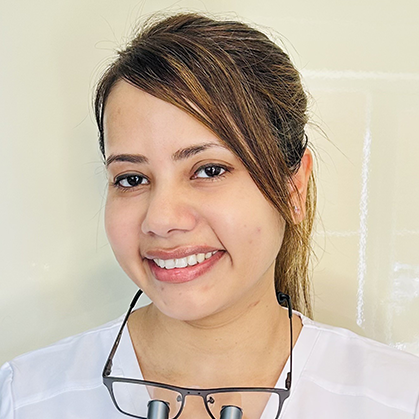
Dr Saptama Ganguly is an accomplished clinician with advanced training in the prevention, diagnosis, and treatment of gum disease. With over ten years of experience in dental surgery and a calm, patient-focused approach, she combines evidence-based techniques with a genuine passion for restoring and maintaining excellent periodontal health.
India (2011)
India (2017, Gold Medallist)
Royal College of Surgeons England (2024)
Royal College of Surgeons Edinburgh (2025)
Royal College of Surgeons Edinburgh (2025)
Advanced periodontal surgery, regenerative procedures, pink-aesthetic treatments, and mucogingival surgery
Fees correct as of November 2025
| Periodontal assessment/consultation | £80 | |
| Non-surgical periodontal management | £600 | |
| Management of localised or generalised or molar incisor pattern periodontal diseases (Flap Surgery) | Ideally starting from £700, but will be decided case by case basis | |
| Crown lengthening (esthetic or restorative) | Approx £600 onwards per tooth | |
| Mucogingival / soft tissue grafting | £900 onwards | |
| Endo Perio lesions | £800 onwards (excluding Endo charges) | |
| Bone grafting / ridge preservation | £1000 onwards | |
| Peri-implantitis/ mucositis management | £900 onwards | |
| Furcation management | £900 onwards |
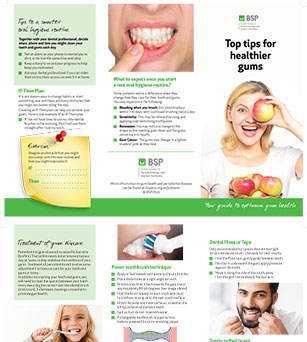
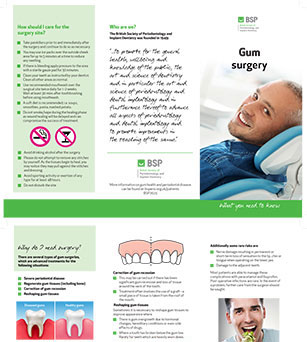
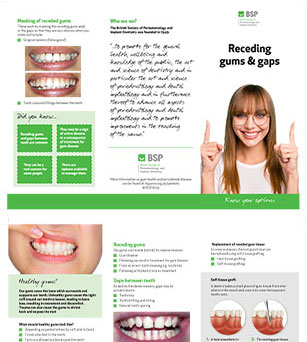
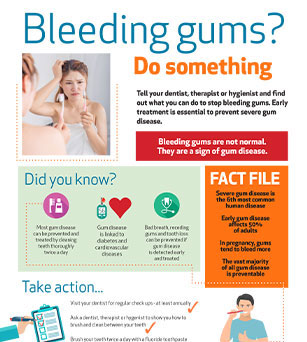
At St Hugh's Dental Care, we believe that patients should have access to the relevant information about their treatments. Please see below for patient information sheets that you may find of use before or after your treatment with us.